
Know About Fencing Techniques
Fencing is a sword-dueling sport in which two opponents compete against each other. Its beginnings may be traced back to a lengthy heritage of armed fighting, and by the middle of the 18th century, it had evolved from nonlethal military training into a sport. When Italian fencer Domenico Angelo founded a fencing institution in London in 1763, he preferred to teach the skill to the nobility, emphasizing its physical virtues more than its lethality. Many of Angelo’s instructional book’s footwork and posture standards are being used in the sport today. Touches, or blows to specific target locations established by the match’s Fencing Techniques, are used to score points in modern fencing. Modern fencing is divided into three types; each called after the weapon used.
FOIL
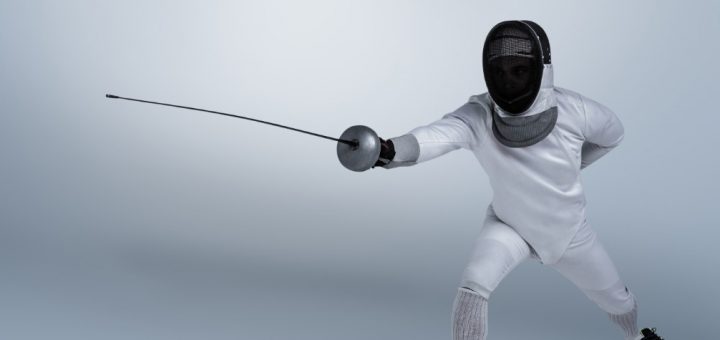
When most people think of fencing, they usually think of this sword first. It’s a light, thin weapon with a curved and circular guard to protect the hand when thrusting. Typically, the blade is flexible. The groin, torso, and neck are all objectives for foil fencing. Touches that land on non-target areas of the body, such as the legs or arms, halt the game but do not result in a point. Even if it strikes a target location, a hit with the crosswise of the blade does not score a point or stop the activity. If both fencers touch simultaneously, the referee determines the fact based on a set of “right of way” regulations defined by the fencer who successfully initiates the attack first.
EPÉE
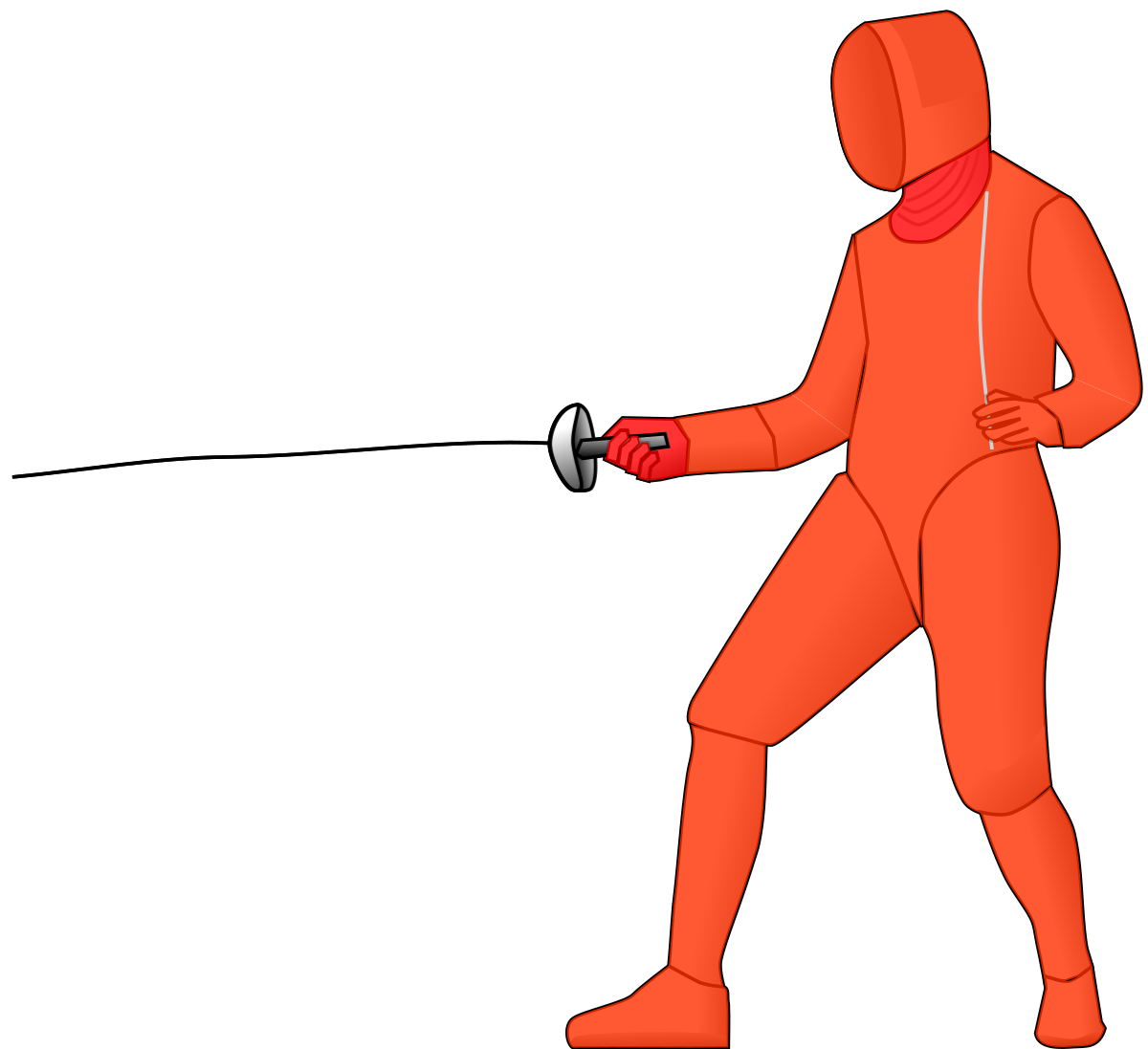
The epée is a thrusting weapon similar to the foil, except it is heavier and has fluted edges. The epée’s handguard is more considerable and reaches longer than the foil’s. It’s based on an ancient dueling weapon known as a rapier, and it’s designed to cause a thrust wound that allows blood to flow freely. Because contact to any part of the body counts a point, the handguard is broader. Only a blow with the end of an epée can score, just like in foil fencing. Hits with the blade’s side do not count and do not halt the game. Epée does not have the same right-of-way regulations as foil or sabre; therefore, both fencers can score on a double touch. There is one exception: if the score is deadlocked and only one point separates the two fencers, neither will score on a simultaneous touch.
SABRE
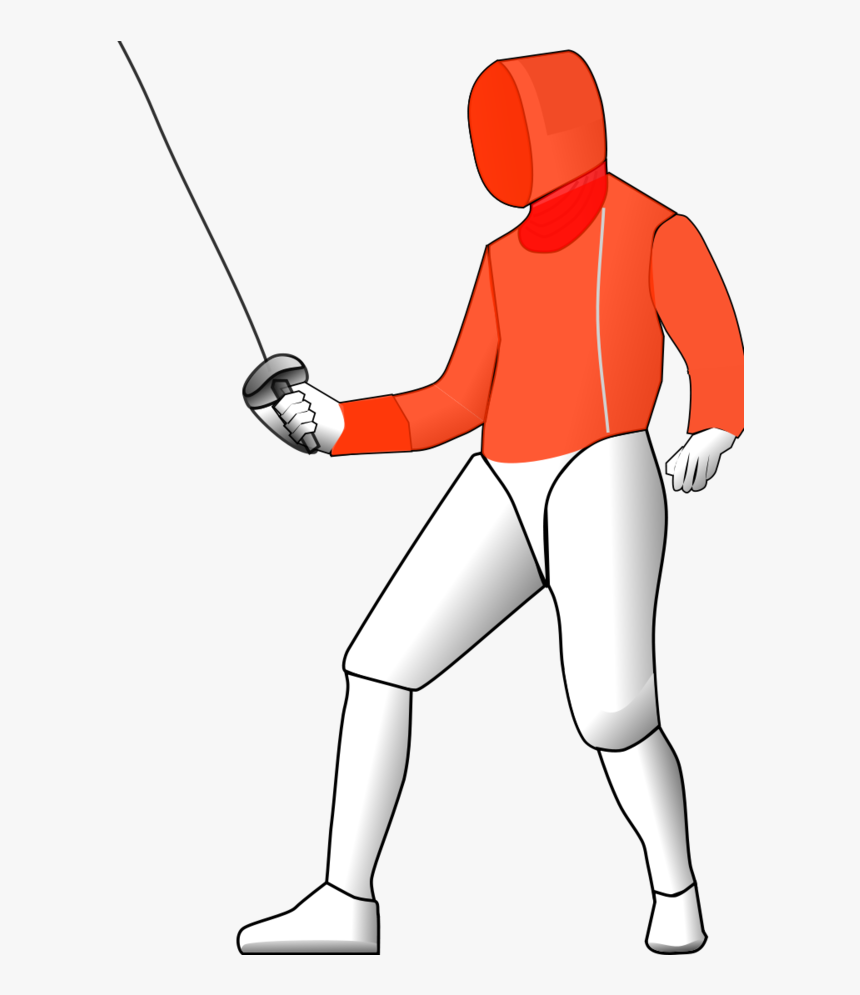
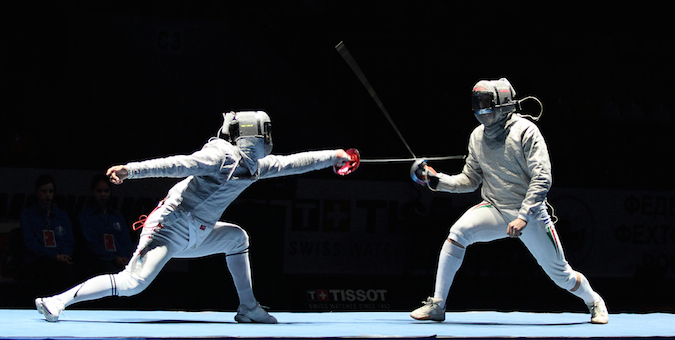
Unlike its thrusting friends, a saber is a light weapon with a flat blade meant to cut and thrust. It has a guard that is identical to that of the foil at the blade base, but half of it curves down to meet the hilt’s end. The cavalry sabre was its forerunner, and sabre fencing gets its aim from horseback sabre warfare. The entire upper torso, including arms but excluding the hands, can be attacked with a sabre. The front of the blade, a part of the back, or the point can be used to score sabre touches. Touches outside the target region, unlike foil, do not stop the action. Right-of-way rules govern issues on simultaneous touches, much as they do in foil. Artricle Contributed by: Picket Fences Brisbane